


The days get shorter, the calendar fills up, and we keep running at the same super-speed. In Chinese medicine, winter asks for the opposite. It’s the most Yin time of year, a season to turn inward and replenish the energy the rest of the year used up.
Dr. Stephanie Goichman, doctor of acupuncture and Chinese medicine and a clinical herbalist who sees patients at HudCo every Wednesday, talks how to honor that rhythm during the busiest stretch of the year. Her answers are practical and gentle, and they’re mostly about small things: a warm breakfast, a walk outside in the morning, and a little permission to rest.
Entering winter, are there particular herbs, teas, or daily rituals you recommend to help support our bodies and minds?
One of the things I love about Chinese medicine is its emphasis on living in harmony with the seasons. Winter is associated with the Water element and the kidneys, which are considered the foundation of our vital energy in Chinese medicine. It’s a time to slow down and nourish ourselves from within.
During the colder months, I encourage my patients to eat more warming, nourishing foods. Soups and stews are wonderful this time of year, as are cooked vegetables and warming herbal teas. Some of my favorite ingredients include fresh ginger, cinnamon, goji berries, jujube dates (also called red dates), and astragalus root, known as Huang Qi. These have been used in Chinese herbal medicine for centuries, traditionally to support digestion, vitality, and overall wellness.
It doesn’t have to be complicated. A warm breakfast in the morning, a little fresh air during the day, or a relaxing evening ritual can go a long way. It’s often the small things we do consistently that make the biggest difference.
—
How can we enjoy a full holiday social calendar while still prioritizing rest and self-care?
First of all, enjoy yourself! It’s easy to get caught up in doing everything for everyone else and forget about ourselves. I always remind my patients that self-care isn’t selfish, and rest isn’t something we have to earn.
In Chinese medicine, we talk a lot about balancing Yin and Yang. Yang is associated with activity and outward energy, while Yin is associated with rest and restoration. We need both.
Make room for some quiet time between all the festivities. You don’t need an elaborate self-care routine. Sometimes it’s as simple as getting a good night’s sleep or giving yourself permission to spend an evening at home doing absolutely nothing.
The better we take care of ourselves, the more we have to give to the people we love.
What are some signs that we’re overextended or in need of a slower pace?
Our bodies are pretty good at telling us when something isn’t right, but we’re often too busy to pay attention. You wake up tired even after a full night’s sleep. You feel more irritable than usual, your shoulders are constantly tense, or your digestion is off. You feel overwhelmed by things you would normally handle without much difficulty.
In Chinese medicine, we look at these symptoms as part of a bigger picture. Rather than treating each complaint in isolation, we try to understand what might be contributing to the imbalance. I encourage my patients to pay attention to these early signs instead of waiting until they’re completely depleted.
As the saying goes, “An ounce of prevention is worth a pound of cure.”
That really captures the philosophy of Chinese medicine. Health isn’t simply the absence of disease. It’s about maintaining balance and feeling well enough to fully enjoy your life.
—
How can acupuncture and herbal medicine support us and fit into a regular winter wellness routine?
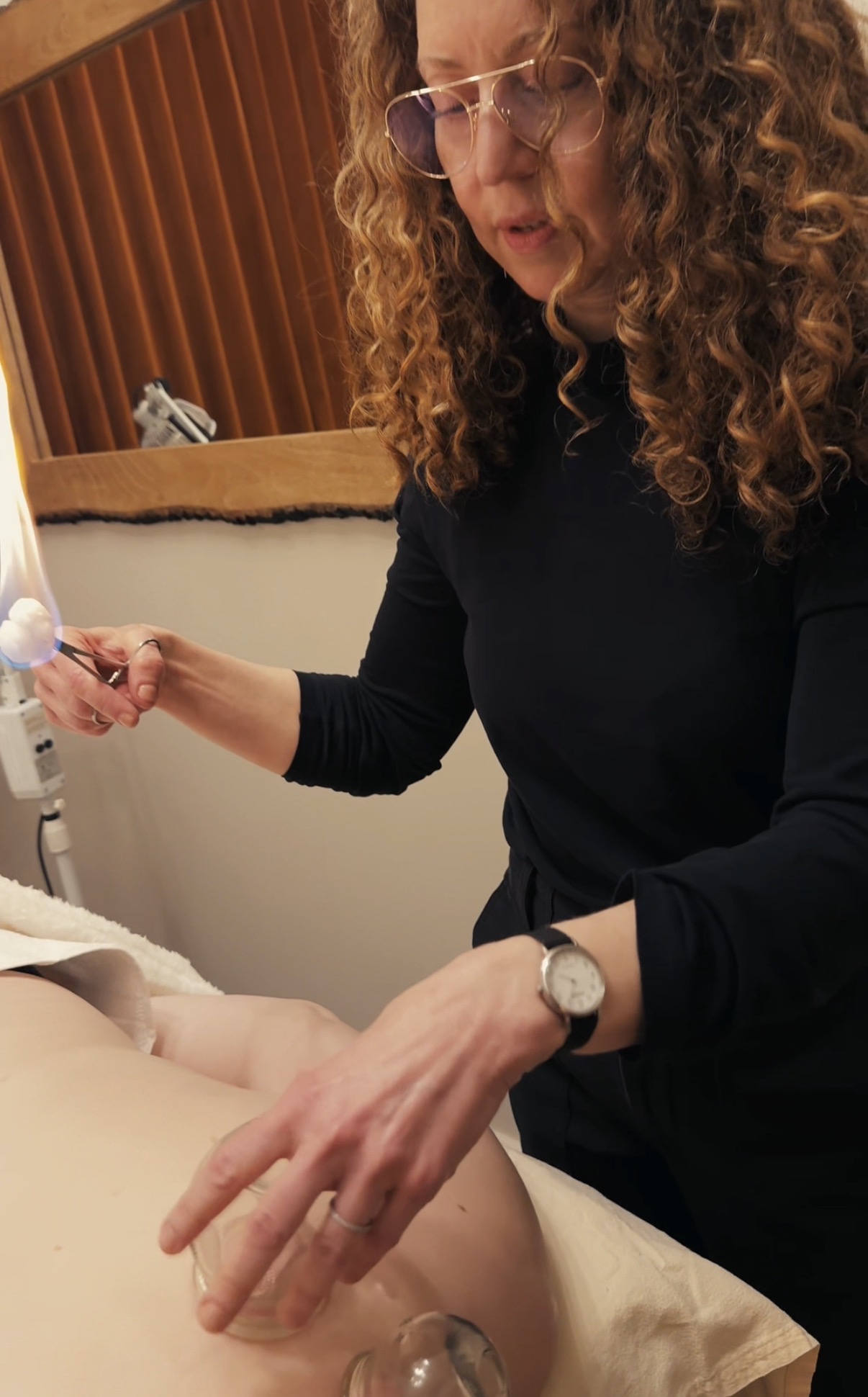
I think one of the biggest misconceptions about acupuncture is that it’s simply a way to relax. And while most people leave a treatment feeling wonderfully relaxed, there’s so much more happening. Acupuncture is an ancient tool that helps the body return toward homeostasis, its natural state of balance. Our bodies have remarkable built-in healing mechanisms, and acupuncture can help support those processes.
In Chinese medicine, we don’t separate emotional and physical health. They’re deeply interconnected. Acupuncture can help ease stress-related symptoms, support digestion and better sleep, and relieve muscle tension and certain types of chronic pain. Many of my patients find that acupuncture helps them feel calmer, more comfortable in their bodies, and better equipped to navigate these changes.
I bring that same philosophy to facial rejuvenation acupuncture and holistic microneedling, which work with the skin’s natural processes to support a healthy, radiant appearance. To me, healthy aging isn’t about fighting time. It’s about feeling good in your skin and caring for yourself from the inside out.
Chinese herbal medicine is unique in how individualized it is. Rather than recommending the same formula to everyone with a particular complaint, I look at the person’s overall health and the patterns behind their symptoms—we call this treating both the root and the branch. The branch is the symptom you’re experiencing, while the root is the underlying imbalance that may be contributing to it. The goal is to address both, rather than simply masking the symptom.
I also remind patients that acupuncture is cumulative. While a single treatment can provide relief, regular treatments can be especially helpful for managing ongoing concerns. I love when patients begin to see acupuncture not just as something they turn to when they’re in pain, but as a regular part of taking care of themselves.
What are some simple ways to unwind, recharge, and restore a sense of balance?
I’m a big believer in keeping things simple.
One thing I often recommend is creating a little transition between the workday and the rest of your evening. We’re so accustomed to going from one responsibility straight into the next that we rarely give ourselves a moment to decompress.
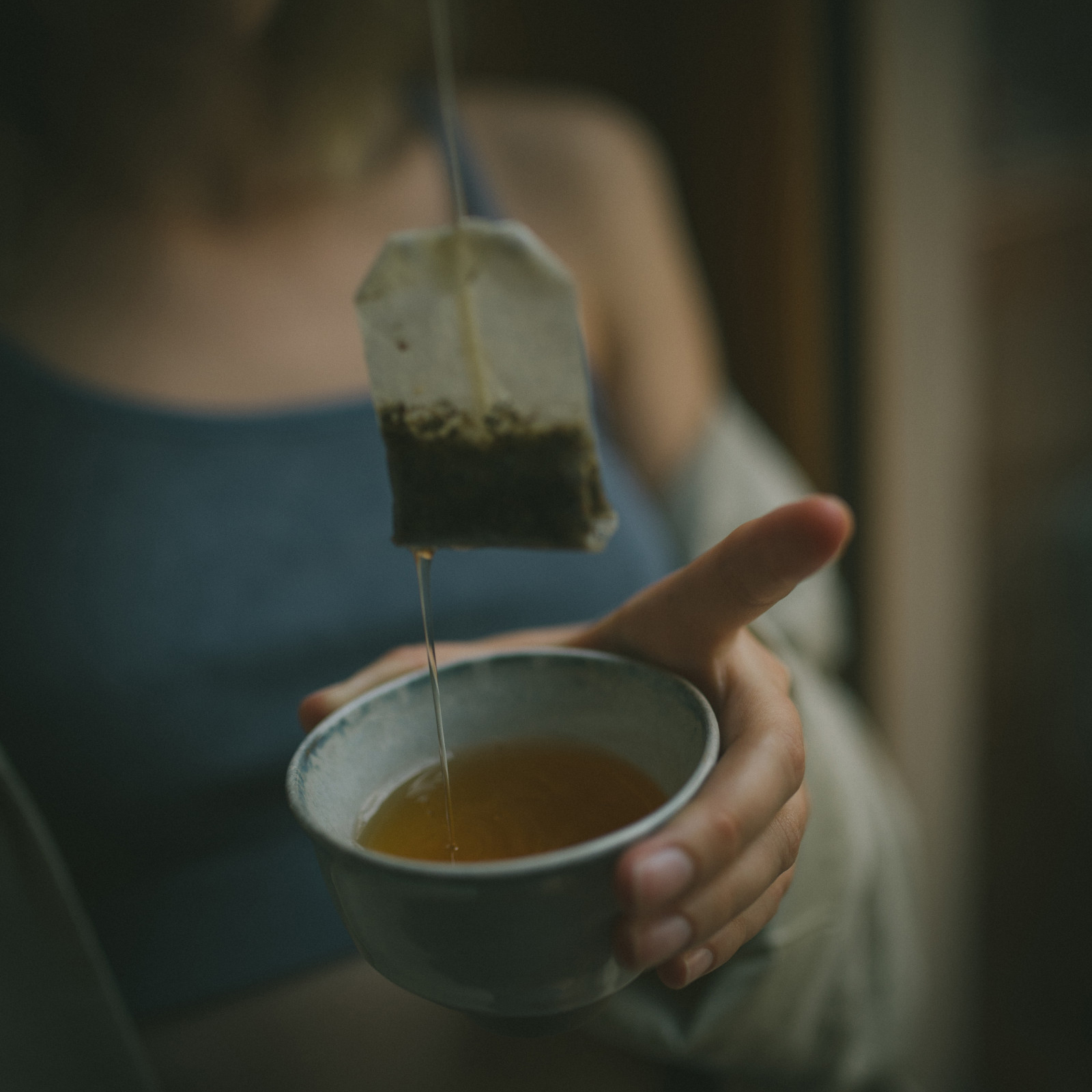
It could be making a cup of tea and putting your phone away for a while. I love gentle stretching or a little Qi Gong to release some of the tension that builds up throughout the day.
Another favorite is a warm foot soak before bed. It’s a traditional practice in Chinese medicine and such a comforting way to end the day, especially in winter.
The important thing is that it feels restorative, not like another obligation on your to-do list.
—
What’s one realistic wellness habit you’d encourage everyone to carry into the winter months?
I think we could all benefit from spending a little more time connecting with nature. That doesn’t necessarily mean going on a long hike. It might be tending to your houseplants or spending a few minutes sitting outside.
There’s a beautiful concept in Chinese medicine that the human body is a microcosm of the larger natural world, or macrocosm. In other words, what happens in nature is reflected within us, and changes in our external environment influence our internal balance.
Despite how much time we spend indoors and in front of screens, we’re still beings of nature. When we live more in harmony with its rhythms, we create the conditions for greater health and well-being.
—
Last thoughts?
Self-care isn’t selfish. It’s essential.
I love to think of winter as a season of potential energy. Just as seeds lie dormant beneath the frozen ground, quietly preparing to emerge in spring, we too need periods of stillness to replenish our reserves and prepare for what’s to come.
Slowing down isn’t a luxury. It’s part of how we care for ourselves. It’s what makes renewal possible. Sometimes the most powerful thing we can do for our health is simply give ourselves permission to rest.
—
Dr. Stephanie Goichman, DACM, L.Ac., Dipl. AHM is a Doctor of Acupuncture and Chinese Medicine, licensed acupuncturist, and board-certified clinical herbalist with over a decade of clinical experience.
Stephanie welcomes patients at HudCo, Room 3, every Wednesday from 11 AM–7 PM, offering personalized acupuncture treatments, facial rejuvenation acupuncture, holistic microneedling, and Chinese herbal medicine.
HudCo members receive 10% off treatments with code shared on the HudCo app messageboard. Gift certificates are also available for the holiday season.